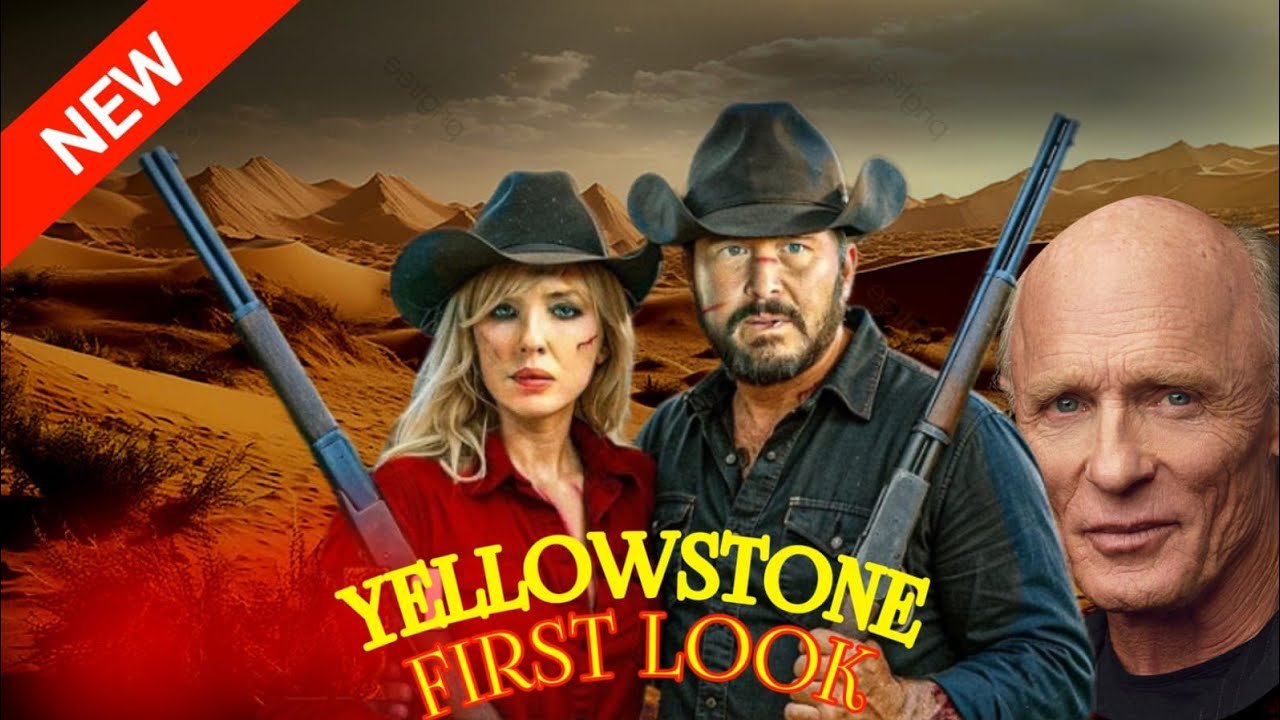
In the modern television landscape, very few series have managed to redefine an entire genre. Yellowstone is one of those rare shows. Blending family drama, political power struggles, land disputes, and raw emotion, the series has revived the Western genre for a new generation. Set against the sweeping landscapes of Montana, it tells the story of a powerful family fighting to protect their land, legacy, and influence at any cost.
Since its debut in 2018, Yellowstone has grown into one of America’s most talked-about dramas. With gripping storytelling, complex characters, and cinematic visuals, the show has captured millions of viewers and built a loyal global fan base.
What Is Yellowstone About?
Yellowstone is an American drama series created by Taylor Sheridan. At its core, the show revolves around the Dutton family, owners of the largest contiguous ranch in the United States. Their property borders a Native American reservation, a national park, and land coveted by wealthy developers. This strategic location makes their ranch extremely valuable—and constantly under threat.
The series explores the intense battle to maintain control over this land. It is not just about business. For the Dutton family, the ranch represents identity, heritage, and survival. Losing it would mean losing everything that defines them.
John Dutton: The Ruthless Patriarch
At the center of the story is John Dutton, portrayed by Kevin Costner. John is a tough, disciplined, and deeply traditional ranch owner who will do whatever it takes to protect his family’s empire. He believes in loyalty above all else, and betrayal is something he never forgives.
John is not a simple hero. He is morally complex. On one hand, he is a loving father who wants to preserve his family’s legacy. On the other, he is a ruthless strategist who uses political influence, intimidation, and even violence to secure his position. This dual nature makes him one of television’s most compelling characters.
The Dutton Family: Loyalty, Ambition, and Betrayal
While external enemies create tension, much of Yellowstone’s drama comes from internal family conflict. Each Dutton child has a unique personality and ambition that often clashes with the family’s collective goals.
Beth Dutton is bold, sharp, and fiercely protective of her father. Her intelligence and emotional intensity make her unpredictable and dangerous. She thrives in corporate warfare and never hesitates to destroy anyone who threatens her family.
Jamie Dutton, on the other hand, struggles with identity and political ambition. His desire for independence frequently puts him at odds with John and the rest of the family. His internal conflict adds emotional depth and unpredictability to the storyline.
Kayce Dutton represents a bridge between two worlds. Married to a Native American woman, he finds himself torn between his loyalty to the ranch and his connection to the reservation community. His storyline highlights themes of belonging and divided identity.
These complex family dynamics fuel the show’s most powerful and emotional moments.
The Land War: Tradition vs Development
One of the central conflicts in Yellowstone is the ongoing land war. Wealthy developers and corporations want to transform Montana into a luxury destination filled with resorts, airports, and commercial projects. To them, the Dutton ranch is prime real estate waiting to be modernized.
For John Dutton, this represents a threat not only to his business but also to a traditional way of life. The battle unfolds through legal disputes, political maneuvering, corporate sabotage, and sometimes violent confrontations. This conflict reflects a larger national conversation about modernization, progress, and the erosion of rural traditions.
The show uses this land dispute to explore how economic growth can clash with cultural identity and heritage.
The Native American Perspective
Yellowstone also integrates the perspective of the neighboring Native American reservation. The tension between the ranch and the reservation is rooted in historical injustices and unresolved land disputes. The series does not ignore this complexity.
Through Kayce’s marriage and ongoing political negotiations, the show explores themes of reconciliation, power imbalance, and historical trauma. The land is more than property; it carries spiritual and cultural significance.
This storyline adds emotional and moral weight to the broader conflict, making the drama more layered and socially relevant.
Raw Action and Moral Complexity
Yellowstone is known for its gritty realism. The violence in the show is not glamorous or exaggerated; it feels grounded and intense. Ranch life is portrayed with authenticity, from cattle branding to long days of physical labor. The show does not shy away from the harsh realities of protecting power.
What truly sets the series apart is its moral ambiguity. There are no purely good or evil characters. Most decisions are made in gray areas where survival outweighs ethics. This complexity keeps viewers constantly questioning who to support.
Each season raises the stakes higher, pushing characters into more dangerous and emotionally charged situations.
Cinematic Landscapes and Visual Power
A defining feature of Yellowstone is its breathtaking cinematography. The wide-open plains, towering mountains, and expansive ranch scenes create a grand visual experience. Montana’s natural beauty becomes a silent character in the story.
The contrast between peaceful landscapes and violent conflict enhances the emotional intensity of the narrative. Every episode feels cinematic, with carefully framed shots that emphasize isolation, power, and vulnerability.
The visual storytelling elevates the series beyond standard television drama.
Cultural Impact and Expanding Universe
Yellowstone’s success has reshaped the popularity of Western dramas. At a time when superhero franchises and science fiction dominated television, this grounded and character-driven series proved that audiences still crave stories rooted in tradition and realism.
The show’s popularity led to multiple spin-offs, expanding the Dutton family saga into different time periods. These additions have strengthened the franchise and deepened its mythology.
Beyond television ratings, Yellowstone has influenced fashion trends, music preferences, and renewed interest in cowboy culture. It has become more than a show—it is a cultural movement.
Why Yellowstone Stands Out
In a crowded entertainment industry, Yellowstone stands out because it demands emotional investment. The characters are flawed but human. The conflicts are intense but believable. The themes of family, power, and survival resonate universally.
The show explores what people are willing to sacrifice to protect what they love. It questions whether legacy justifies ruthless actions and whether power can ever truly be secure.
This emotional and thematic depth keeps viewers engaged season after season.
Conclusion
Yellowstone: Ranch, Rivalry & Revenge is far more than a modern Western drama. It is a powerful story about family loyalty, ambition, identity, and the cost of protecting legacy. Through the Dutton family’s relentless fight to preserve their ranch, the series captures the tension between tradition and progress in contemporary America.
With compelling performances, layered storytelling, and stunning visuals, Yellowstone has secured its place as one of the most explosive dramas in modern television. It proves that the Western genre is not only alive but stronger than ever when told with authenticity and bold vision.